


Customers ask for crypto
They move to apps that offer it, and take their deposits with them.
For banks, EMIs and neobanks: a crypto wallet, exchange and custody module that plugs into the app and core banking you already run.
 The problem
They move to apps that offer it, and take their deposits with them.
Crypto support in core banking is missing or bolted on.
Customers expect one login, one KYC and one balance view.
 What you launch
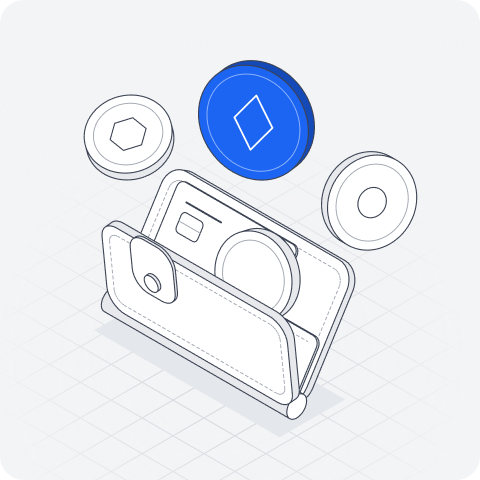
Hold, send and receive digital assets next to fiat accounts.
Convert in one tap through your liquidity partners.
Cross-border transfers in stablecoins for retail and business clients.

Helix Bank / Crypto wallet in your banking app
| Account | Balance |
|---|---|
| EUR account | € 12,480.20 |
| Bitcoin | 0.0841 BTC |
| USDC | 2,500.00 |
| Ethereum | 1.204 ETH |
Send
500.00 USDC Modules

Quotes, pairs, countries and limits.
Learn more
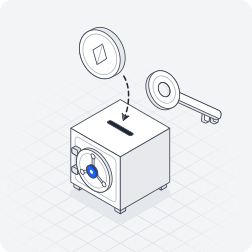
MPC and HSM, cold and warm wallets.
Learn more
Sumsub-ready onboarding and monitoring.
Learn more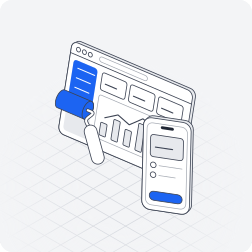
Web, iOS, Android and back office.
Learn more FAQ

No. GoFinans runs next to your core and connects through APIs, so customer accounts stay where they are.
Customer identity and verification status can be shared across the connected fiat and crypto flows. Your compliance team defines which checks can be reused and when additional checks or a refresh are required.
You choose and contract with the exchanges, OTC desks or other liquidity providers used by your platform. GoFinans connects the agreed providers; it does not act as the liquidity counterparty.
Live walkthrough of the stack, the modules you need and the deployment model that fits your licence.
Book a demo